
The Bedroom Mistakes Making Your Space Feel Emotionally Draining
✧ ✧ ✧
Make Your Bedroom Your Sanctuary and Safe Space
There’s a reason some bedrooms instantly make you feel calm… while others somehow leave you feeling restless, overstimulated, or emotionally exhausted without you even realizing why.
And honestly?
Most of the time, it’s not because your bedroom is “ugly.”
It’s because the space isn’t supporting the feeling you actually want from it.
Your bedroom is the first thing you wake up to and the last thing your nervous system experiences before sleep. The lighting, layout, colors, textures, clutter, and even the atmosphere of the room quietly affect your mood more than people think.
The good news is that creating a calming, beautiful bedroom usually has less to do with spending thousands of dollars — and more to do with intentional design choices that make a space feel softer, warmer, and emotionally safe.
Here are some of the biggest bedroom mistakes that could be making your space feel emotionally draining — and the small shifts that instantly change everything.
1. Relying Only On The “Big Light”
If your bedroom only feels functional when the harsh overhead light is on… that’s probably the first problem.
Overhead lighting tends to flatten a room and make everything feel cold, exposed, and overstimulating — especially at night when your body is naturally trying to wind down.
The bedrooms that feel cozy and expensive almost never rely on one single light source.
Instead, they use layered lighting:
- bedside lamps
- warm wall sconces
- soft ambient lighting
- candles
- low glow table lamps
The goal isn’t brightness.
It’s atmosphere.
One of the easiest ways to completely transform a bedroom is simply switching to warm lighting and adding smaller light sources around the room instead of depending on the ceiling light for everything.
Your bedroom should feel like an exhale at night — not a waiting room.
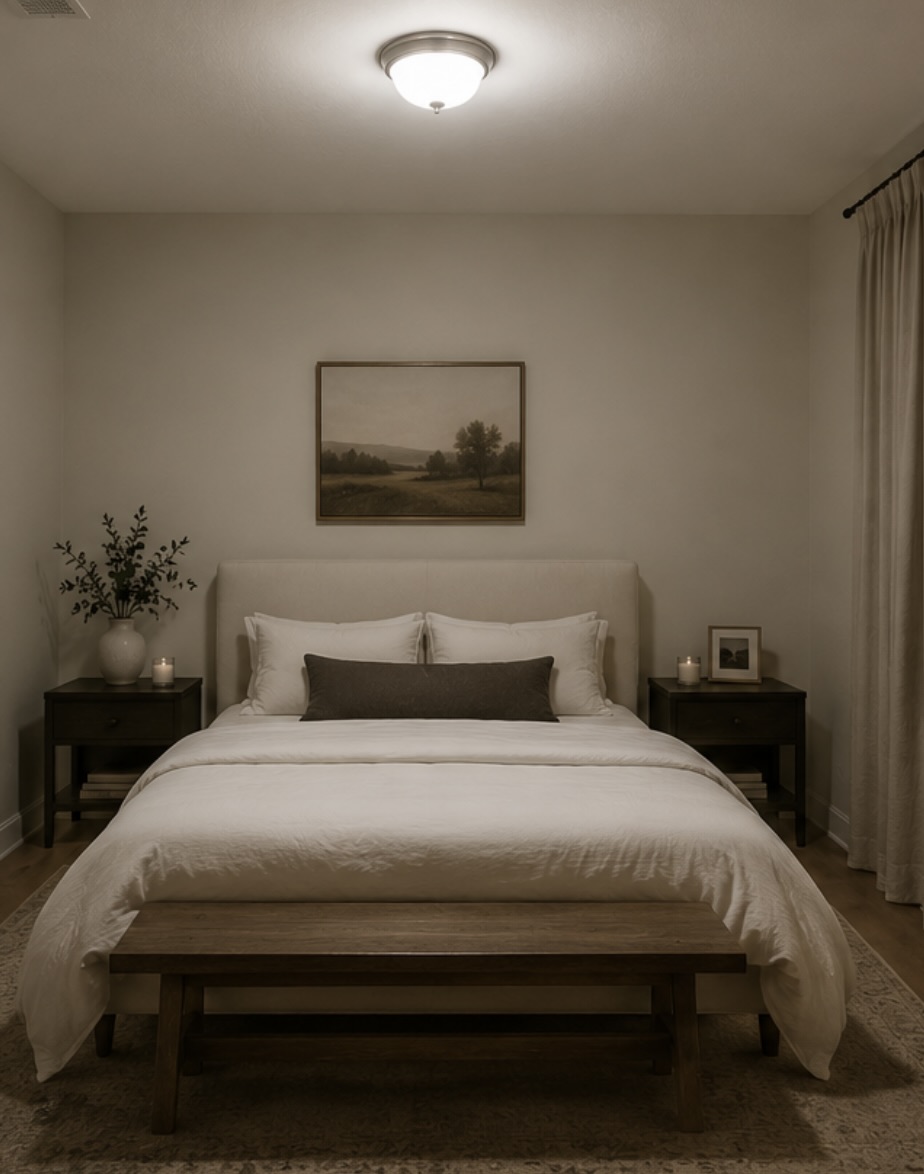
BEFORE
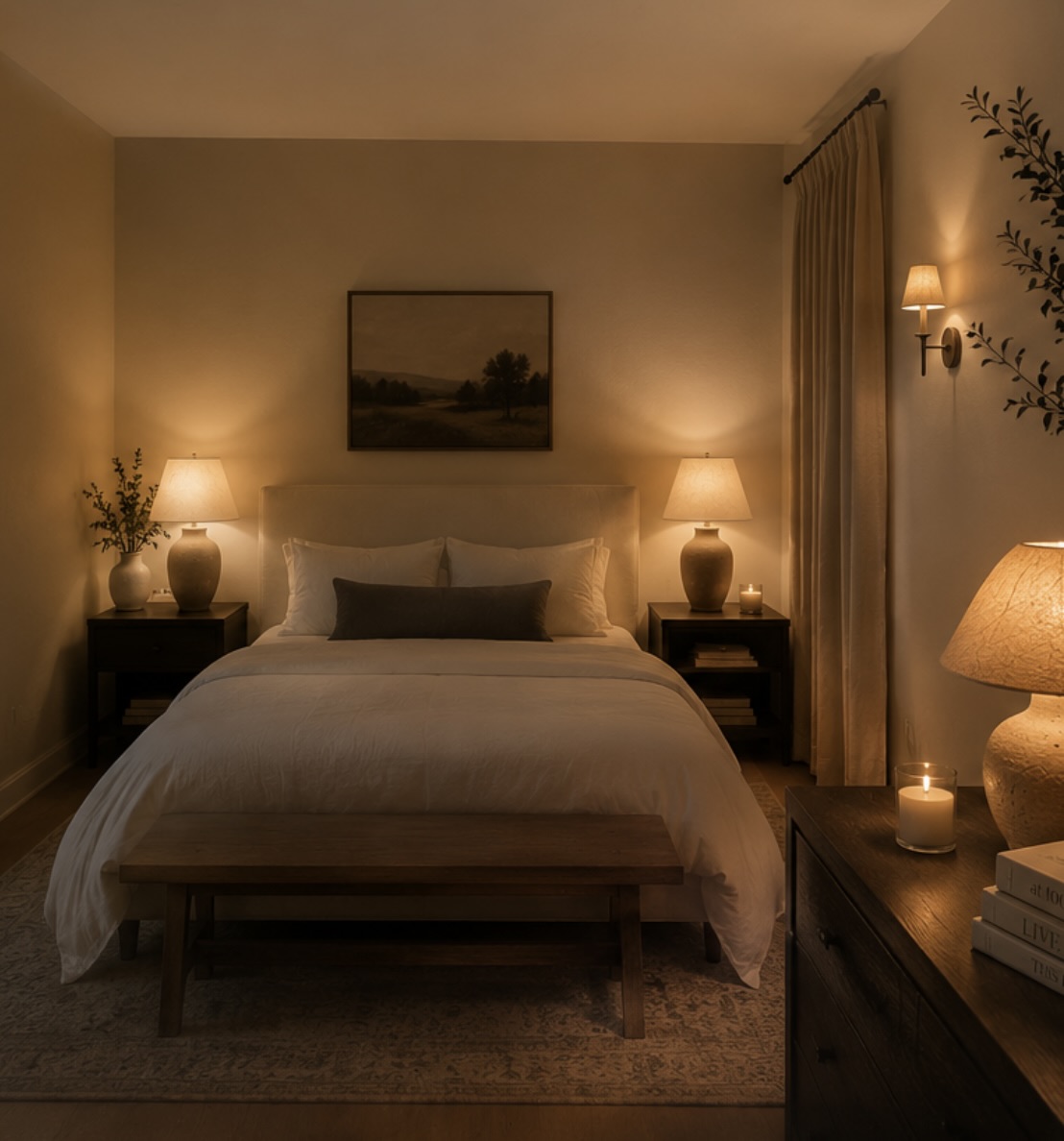
AFTER
2. Your Bedding Looks Flat Instead Of Layered
One thing luxury bedrooms always have in common is depth.
Not clutter.
Depth.

Flat bedding instantly makes a room feel unfinished, even if everything else looks beautiful.
The most inviting bedrooms layer textures intentionally:
- crisp sheets
- fluffy duvets
- oversized pillows
- soft throws
- linen textures
- subtle contrast
It creates that “sink into bed” feeling that makes a room feel emotionally comforting instead of visually empty
DESIGNER TIP
And no — your bedding does not need to perfectly match.
In fact, rooms often feel more elevated when tones softly blend together instead of looking overly coordinated.
The magic is in the layering.
Think:
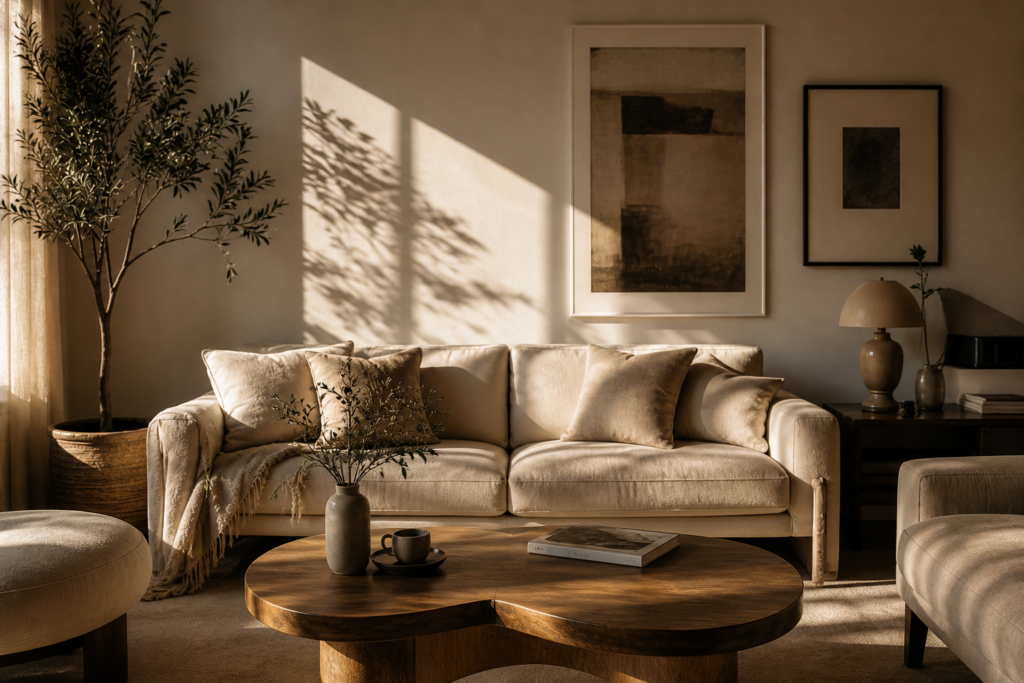
- warm cream
- oatmeal
- espresso brown
- soft taupe
- muted olive
- dusty beige
3. There’s Too Much Visual Noise
Sometimes a bedroom doesn’t feel relaxing simply because your eyes never get to rest.
Too many small decor items, tangled cords, crowded nightstands, piles of clothes, or random furniture pieces can quietly create stress without you noticing it consciously.
A calming bedroom usually feels visually intentional.
Not empty.
Just edited.
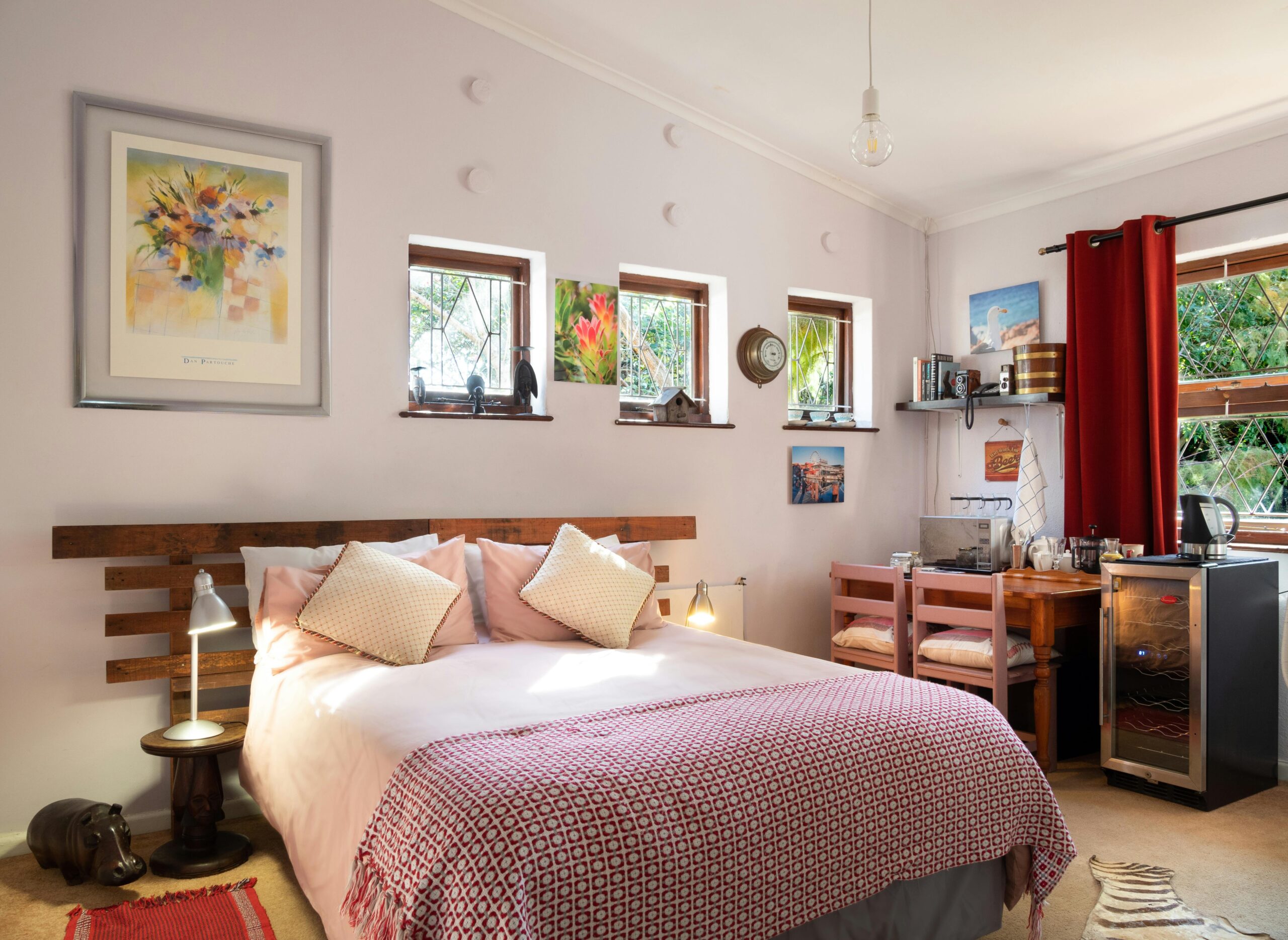
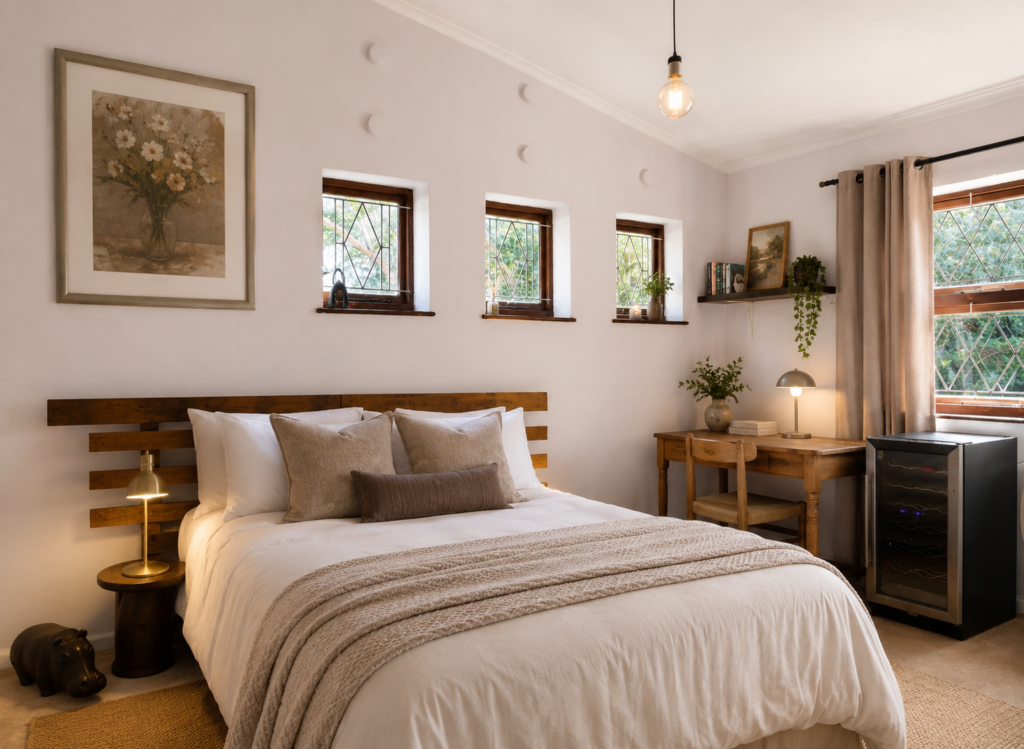
Try removing:
- unnecessary decor
- bulky furniture
- extra storage baskets
- random wall art that doesn’t connect to the room
- things you only keep because “there’s space for it”
A room instantly feels lighter when every item has a purpose.
One of the most underrated design tricks is simply leaving a little breathing room.
4. Your Curtains Are Making The Room Feel Smaller
This one changes everything!
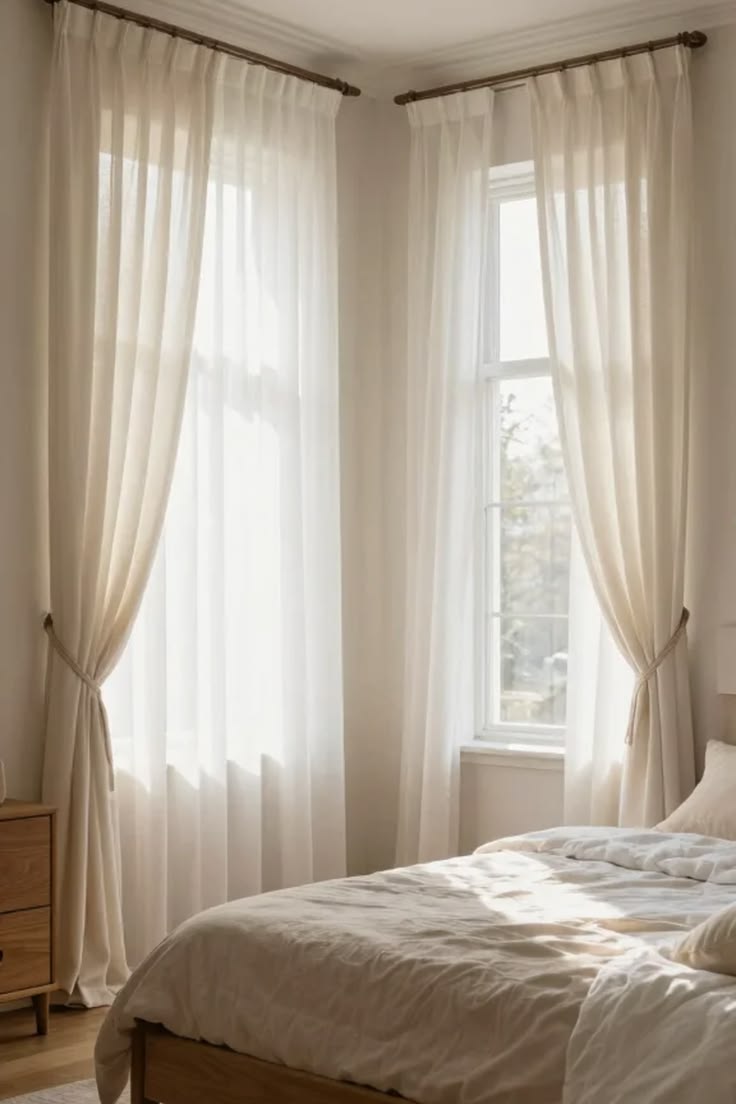
Short curtains or curtains hung too low can accidentally make a bedroom feel cramped and awkward — even when the room itself is beautiful.
Designers almost always hang curtains:
- higher than the window frame
- wider than the actual window
- long enough to slightly touch the floor
This creates softness and height, which instantly makes the room feel calmer and more luxurious.
It’s one of those tiny details that completely changes the emotional feeling of a space.
The Designer Curtain Formula
↕
Hang Higher
Mount curtains closer to the ceiling to instantly create the feeling of height and softness.
↔
Extend Wider
Let curtain rods stretch beyond the window frame so the room feels larger and more open.
☁
Let Them Pool
Curtains that lightly touch or softly pool on the floor always feel more luxurious and intentional.
5. The Room Feels Cold Instead Of Personal
A bedroom should never feel like a showroom.
The most beautiful bedrooms usually contain small touches that feel personal and lived in:
- a favorite book on the nightstand
- a candle you genuinely love
- framed memories
- cozy textures
- warm wood tones
- a signature scent
- soft lighting at sunset
Those details create emotional warmth.
A perfectly styled room can still feel empty if there’s no personality behind it.
The goal isn’t perfection.
It’s comfort.
6. Everything In The Room Is The Same Tone
Ironically, rooms often feel more expensive when there’s subtle contrast.
When every piece is the exact same shade of white, grey, or beige, a bedroom can start feeling flat and lifeless instead of calming.
Good bedrooms usually balance:
- light and dark
- soft and structured
- smooth and textured
For example:
- creamy bedding with darker wood
- soft linen against black accents
- warm whites mixed with espresso tones
- matte textures paired with glowier lighting
That contrast gives the room dimension and emotional richness.

7. Your Bedroom Doesn’t Have A Nighttime Mood
This is something people rarely talk about.
A beautiful bedroom shouldn’t only look good during the day.
The real magic happens at night.

Designers almost always hang curtains:
Think about the feeling you want your room to create after 8pm:
- softer lighting
- cozy shadows
- warm glow
- calming atmosphere
- slower energy
The bedrooms people obsess over online almost always create a mood — not just a design style.
That’s why lighting matters so much.
A room can have expensive furniture and still feel emotionally cold if the atmosphere is missing.
FINAL THOUGHTS
─── ⋆⋅☆⋅⋆ ───
Your bedroom isn’t just a room-it’s your reset button.
The most beautiful bedrooms aren’t perfect. They’re intentional.
They reflect you, support you, and soften your everyday life in ways you feel, not just see.
You don’t need a big budget or a complete makeover.
You just need awareness, small shifts, and choices that bring more calm, more warmth, and more you into your space.
When your bedroom feels good, everything else flows easier.